 Hello. This is InfoTherapy, prescribing healthy information.
I am a physical therapist with 10 years of experience, working alongside patients in the field and helping them with their rehabilitation. While meeting various patients every day in the clinic, there are cases where I feel particularly sympathetic. Those are the middle-aged and older patients who have suffered a fracture.
Many people think that all treatment is over once they hear from the hospital that their cast has been removed or their surgical site has healed. However, from what I have observed in the field, the real recovery begins right after the bones have fused. A bone fracture in your youth and an injury in middle age have completely different impacts on the body and recovery processes.
Today, I would like to talk about the precautions you must know and realistic home care methods to safely return to your daily life after your hospital treatment is over.
Why bone injuries in middle-aged and older adults are particularly dangerous and slow to recover
As we age, bone density decreases and muscle mass declines. Even a light fall on your buttocks or a misstep can easily cause damage to your wrists, spine, or hip joints.
The bigger problem is the physical changes that occur during the immobilization period. For the few weeks you wear a cast or brace and restrict your movement to let the bones heal, the muscles in your body atrophy surprisingly fast. The joints become stiff, and the elasticity of the surrounding ligaments and tendons drops sharply.
Therefore, hearing that the bones have healed well at the hospital absolutely does not mean you can immediately walk or lift heavy objects like before. The process of restoring the range of motion of the stiff joints and replenishing the lost muscle strength must accompany it.
If you neglect this process, it can easily lead to a vicious cycle of chronic pain that aches whenever it rains or you overexert yourself, or falling and getting hurt again due to a decreased sense of balance. Especially if you injure your hip joint or spine, you may experience complications such as decreased heart and lung function, bedsores, or pneumonia from lying down for a long time, so even more careful management is required.
4 proper rehabilitation management methods to practice at home after discharge
1. You must move a little bit every day within a pain-free range.
Right after removing the cast, the affected area will not feel like your own body and will feel as stiff as a stone. At this time, if you forcefully bend it or try to move it by force because you want to get well quickly, the surrounding tissues may tear or become inflamed. Conversely, if you get scared because it hurts and do not move it at all, the joint may become permanently stiff.
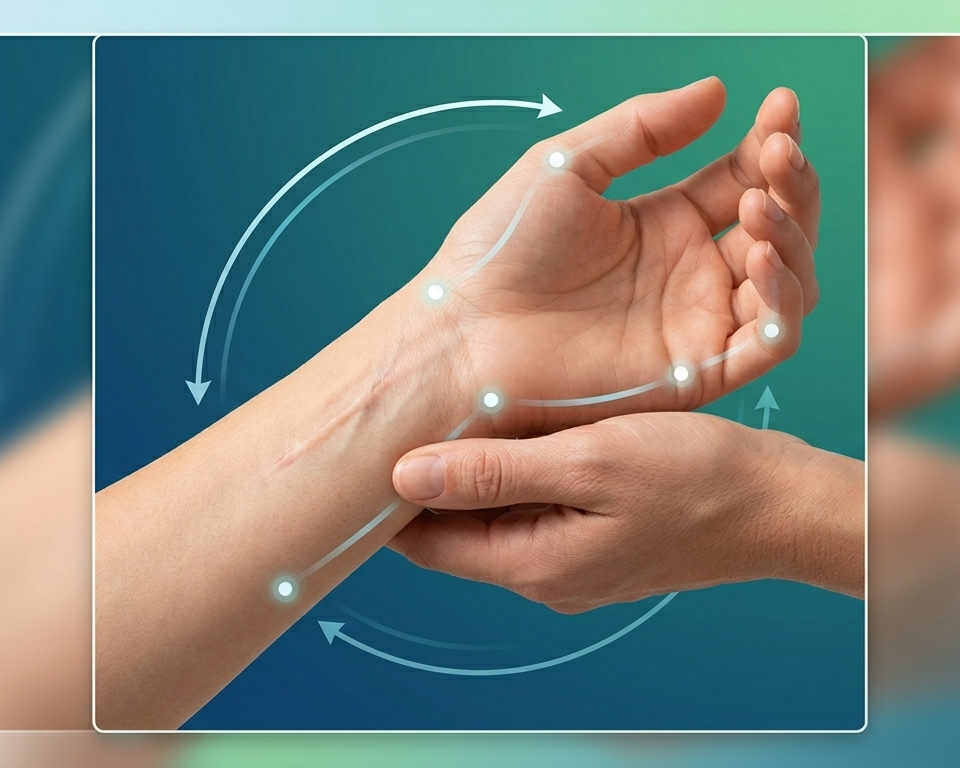
It is best to soak the area in warm water or apply a warm compress to gently relax the muscles, and then start practicing moving it slowly and smoothly. You should approach it with a relaxed mindset, moving only up to the point just before you feel pain and thinking of increasing that range by 1 millimeter every day. Light bare-handed gymnastics that gently rotate the joints are safer and more effective than excessive stretching.
2. Controlling swelling and heat determines the speed of recovery.
In the early stages of rehabilitation, even light, everyday movements can cause the injured area to swell up and feel hot. This is a natural reaction that occurs as the tissues that have been resting for a long time start working again.
After an activity or exercise, you must apply an ice pack for about 10 to 15 minutes to reduce the swelling and heat. Applying a warm compress when the joint is normally stiff, and applying a cold compress when there is heat after walking or moving is a basic principle of physical therapy. When you sleep, elevating your injured arm or leg about the height of one pillow above your heart is very helpful in reducing swelling.
3. You must wake up the joints and muscles around the injured area together.
Just because your wrist is broken does not mean you should only treat your wrist. This is because the muscles in your elbows and shoulders have also become stiff and weak while you could not use your wrist. Even if you injure your ankle or knee, exercises to strengthen your thigh and hip muscles are essential.
In the beginning, start with isometric exercises where you just tightly flex and release the muscles in the area without bearing weight or bending the joint. Once the muscles wake up to some extent, you should gradually move on to exercises using resistance bands or light water bottles. When the surrounding muscles become strong like this, they take the load that the injured area has to bear, making the recovery much faster.
4. Fill up on nutrition, the material for rebuilding bones and muscles.
To firmly rebuild bones and muscles, building materials are needed. That is an adequate supply of nutrition. Calcium and vitamin D are essential for bone health, and consuming high-quality protein is very important to restore the muscles that have slipped away while wearing a cast.
Make sure to eat protein side dishes such as lean meat, fish, tofu, and eggs at every meal. If you have trouble digesting as you age, taking a protein supplement that is easy to absorb is also a very good realistic method. In the process of bones hardening, vitamin C and collagen synthesis are also required, so it is recommended to eat a variety of fresh vegetables and fruits.
The golden time when a professional rehabilitation intervention is absolutely necessary
Managing it yourself at home is great, but for middle-aged and older adults, it is highly recommended to get help from a rehabilitation expert in the beginning.
Safely releasing joints that have been stiff for a long time and setting the exact exercise intensity suitable for each patient's muscle strength state is very difficult for a layperson to judge alone. If you combine manual therapy and exercise therapy at a hospital, you can effectively separate tangled tissues and correct wrong compensatory actions in advance where the wrong joint gets ruined while unconsciously trying to avoid the painful area. Especially if the angle at which the joint moves is only half of what it used to be after removing the cast, you must get professional help without delay to prevent aftereffects.
A sudden injury is an unwelcome guest that can come to anyone. However, depending on how you spend your time after removing the cast, the quality of your life for the remaining decades will change significantly. Please let go of your impatience and take care of your body with enough time and care so that it can adapt to daily life again. Consistent management and proper rehabilitation are the most certain and fastest shortcuts to returning to your previously healthy daily life.
I sincerely support your safe and healthy recovery. If you have any questions during the rehabilitation process, please leave a comment at any time.
References and cross-verified data
다른글도 보기
3 Ways to Relieve Nighttime Leg Cramps That Ruin Your Sleep
Solve Your Parents' Knee Pain with Just One Thermos?
What to Do When You Throw Out Your Back: Causes and Emergency Care